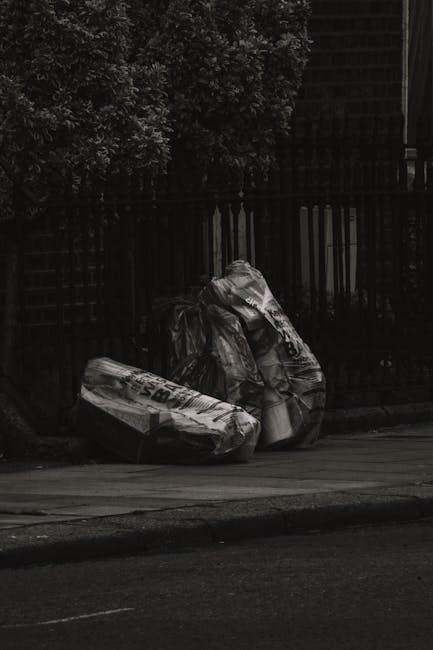
E14 rubbish removal zones: what Poplar residents must know
If you live in Poplar, rubbish removal can feel deceptively simple until you hit the practical bits: narrow streets, parking restrictions, loading bays, timed access, bulky items, and the question of who can actually take what away. That is where E14 rubbish removal zones: what Poplar residents must know becomes more than a search phrase. It is the difference between a smooth clearance and a long, frustrating afternoon with bags piling up by the door.
Whether you are clearing a flat, moving office stock, getting rid of old furniture, or dealing with builder's waste after a refurb, understanding how local rubbish removal works in E14 helps you plan properly, avoid delays, and stay on the right side of disposal rules. In this guide, we'll break it down in plain English, with practical steps, common mistakes, and the kind of local detail that actually helps. Truth be told, that is what most people need.
Table of Contents
- Why E14 rubbish removal zones matter
- How rubbish removal in E14 works
- Key benefits and practical advantages
- Who this is for and when it makes sense
- Step-by-step guidance
- Expert tips for better results
- Common mistakes to avoid
- Tools, resources and recommendations
- Law, compliance, standards and best practice
- Options, methods and comparison
- Case study / real-world example
- Practical checklist
- Conclusion
- Frequently asked questions
Why E14 rubbish removal zones: what Poplar residents must know Matters
Poplar sits in one of London's busiest, most varied neighbourhoods. You have estate blocks, terraced streets, newer developments, commercial units, schools, and shared access roads all sitting close together. That mix creates real-world rubbish removal challenges that do not show up in a generic "man and van" advert.
In practice, zoning matters because access, timing, and collection method can all affect how quickly waste is removed. A van that can load directly outside one property may have to park round the corner for another. A small flat clearance might be straightforward on paper, yet become awkward if the lift is out, the hallway is tight, or there are concierge rules. That is especially true in E14, where the shape of the street can matter just as much as the amount of waste.
Residents also need to think about legality and responsibility. If rubbish is left on the kerb without proper arrangements, or handed to someone who cannot dispose of it properly, it can come back as a headache later. Fly-tipping is not a minor inconvenience; it can become a costly and stressful problem. So yes, the zone concept is practical, but it is also about staying organised and responsible.
For Poplar households and businesses, the key question is not just "how do I get rid of this?" It is "what is the safest, quickest, and most compliant way to clear it from my property?" That shift in thinking saves time.
Practical takeaway: E14 rubbish removal is less about postcode branding and more about local conditions, access, waste type, and disposal standards. If you understand those four things, you are already ahead.
How E14 rubbish removal zones: what Poplar residents must know Works
Rubbish removal in E14 usually follows a simple pattern, but the detail matters. You identify the waste, check access, choose a collection method, and then arrange disposal through a suitable service. That sounds obvious. It rarely feels obvious on moving day.
Here is how it tends to work in real life:
- You list the waste. This may include general rubbish, furniture, office items, bags of household clutter, garden waste, or builder's rubble.
- You assess access. Ask yourself: can a vehicle stop nearby? Are there stairs, lifts, locked gates, or restrictions on loading?
- You choose the service type. Some jobs suit general waste removal, while others are better matched to specialist services like flat clearance or office clearance.
- You confirm what is accepted. Not all services take every item. Paint, fridges, hazardous materials, and certain electrical items may require special handling or separate arrangements.
- You book a collection window. Timing is usually important in Poplar because road space can be limited and buildings may have access rules.
- The team removes, sorts, and transports the waste. Responsible operators will separate reusable items, recyclable materials, and true residual waste where possible.
A good provider will also explain pricing clearly, ideally before arrival, so you are not left guessing. If you want to understand how quotations are usually structured, it is worth reviewing the site's pricing and quotes guidance before you book. Not glamorous, perhaps, but very useful.
In many Poplar homes, the hardest part is not the lifting; it is simply coordinating the lift, the neighbour, the parking, and the item that is somehow wedged behind the sofa. If that sounds familiar, you are not alone.
Key Benefits and Practical Advantages
The best rubbish removal service does more than "take stuff away." It removes friction. It gives you back usable space, cuts down on stress, and helps you avoid the messy middle ground between "I'll sort it later" and "Why is this still here?"
- Faster clearance: Useful when you are moving, renovating, or trying to hand back a rental on time.
- Less physical strain: Bulky items like wardrobes, mattresses, and old desks are awkward, heavy, and not worth injuring yourself over.
- Better space recovery: A cleared loft, garage, or spare room can change how your home feels immediately.
- More predictable outcomes: A proper service gives you a plan instead of a pile of bags and hope.
- Improved sustainability: Responsible operators aim to recycle or reuse as much as possible, which is better than simply dumping mixed waste.
There is also a quieter benefit: peace of mind. If you have ever stood in a hallway at 7:30 on a damp London morning, looking at a sofa that will not fit down the stairs, you know why that matters. A bit of expertise saves a lot of cursing.
If sustainability is important to you, look at the operator's approach to sorting and disposal. The recycling and sustainability page is a sensible place to start because it shows whether the company treats waste as a resource to manage responsibly, not just a load to move.
Who This Is For and When It Makes Sense
E14 rubbish removal is relevant to a lot of people, but it is especially useful if you fall into one of these groups:
- Flat residents dealing with bulky items, moving waste, or communal bin overflow
- Homeowners clearing cellars, sheds, garages, or lofts
- Landlords and letting agents handling end-of-tenancy clearances
- Office managers disposing of desks, chairs, packaging, and old equipment
- Tradespeople needing removal of builders' waste after a job
- People preparing for a move who want less clutter and fewer last-minute surprises
It also makes sense when the waste is too much for a car boot trip, too awkward for regular council collection, or too time-sensitive to leave sitting around. A single broken wardrobe might not feel like much. Three of them, plus a mattress, plus a heap of packaging? That is a different story.
For small businesses, the decision often comes down to workflow. You do not want bags of old stock, packaging, or broken fixtures blocking stockroom access or making a reception area look neglected. In those cases, business waste removal can be more practical than trying to piece things together yourself.
And if you are dealing with a full property clearance after a changeover, a broader service such as home clearance or house clearance may be the cleaner fit.
Step-by-Step Guidance
If you want the job to go smoothly, do not start with the van. Start with the waste itself. That one small shift usually makes everything easier.
1) Sort the items by type
Group items into categories: furniture, general household waste, green waste, builder's rubble, office equipment, and anything that may need special handling. This helps you avoid mixed loads and last-minute confusion.
2) Separate what can be reused or donated
Not everything has to go straight to disposal. Decent furniture, unopened household items, and usable office items may be suitable for reuse. If not, at least the load will be clearer for the collection team.
3) Measure or photograph bulky pieces
Photos are surprisingly useful. A quick image of a sofa, mattress, pile of bags, or stacked boxes helps the provider estimate access and load size more accurately. If there is a tricky staircase, mention it. If there is a lift, mention that too.
4) Check access and timing
In Poplar, timing can matter as much as the waste itself. Think about parking, building entry, loading time, and whether neighbours or concierge staff need to be informed. A five-minute heads-up can save twenty minutes of waiting.
5) Confirm the service scope
Make sure the provider knows whether you need a single-item pickup, a partial clearance, or a full-property job. A flat clearance is not the same as a garage clearance, and a builders' job is rarely the same as a household tidy-up. If you need a more specific service, options like furniture disposal, garage clearance, or loft clearance may fit better.
6) Ask about sorting, recycling, and final disposal
This is the step people skip, and then regret later. A reputable team should be able to explain how the waste will be handled, not just removed. If that conversation feels vague, pause. Ask again. It is your waste after all.
7) Get the paperwork or confirmation you need
For business or higher-risk clearances, keep records of what was collected and by whom. That helps with compliance and avoids disputes later. In some cases, even a simple written confirmation is enough reassurance.
Expert Tips for Better Results
Small choices make a big difference. After enough clearances, the pattern becomes obvious: the best jobs are nearly always the best-prepared ones.
- Clear a path first. Move small loose items out of the way so the team can lift safely and quickly.
- Label anything unusual. If an item contains glass, sharp edges, or mixed materials, say so.
- Keep like with like. Put furniture together, bags together, and small loose rubbish in one area.
- Don't hide surprises. A broken treadmill under a sheet is still a broken treadmill.
- Book before the deadline pressure kicks in. Rushing tends to create mistakes, and mistakes tend to cost more.
- Ask whether dismantling is included. A bed frame, wardrobe, or office desk may need partial disassembly to move safely.
One practical thing people often overlook: sound and smell. A damp loft, an old fridge, or bags of garden waste left too long can make a property feel unpleasant very quickly. Clearing sooner is not just tidy; it makes the space nicer to live in. That sounds simple, but it matters.
If you are comparing services, the provider's about us page can help you judge whether they seem organised, local, and straightforward. Not every decision should hinge on a price alone.
Common Mistakes to Avoid
Most problems with rubbish removal are avoidable. The tricky part is that they usually look harmless at the start.
- Underestimating volume: A few items on the floor often become a much larger load once everything is gathered together.
- Forgetting access limits: A van can only park where it is allowed to park. Annoying, yes, but that is the reality.
- Mixing hazardous and general waste: Some materials need special handling, and assuming otherwise can create delays.
- Leaving it too late: If you need the space cleared before a move or inspection, last-minute booking can box you in.
- Not checking what is included: Dismantling, heavy lifting, upstairs collection, and special items may affect the job scope.
- Choosing a service without asking about disposal: If the operator cannot explain where the waste goes, that is a red flag.
Another common mistake? Assuming council collection rules and private clearance services work in exactly the same way. They do not. The private route is often much more flexible, but you still need to be specific about what you need and what access looks like on the day.
And yes, people do occasionally leave everything until the night before a tenancy handover. It happens more often than anyone likes to admit.
Tools, Resources and Recommendations
You do not need a warehouse full of equipment to organise rubbish removal properly. A few simple tools and habits go a long way.
- Mobile phone camera: Take photos of the waste pile, access points, and any awkward items.
- Measuring tape: Useful for doors, hallways, lifts, and large furniture.
- Marker pen and labels: Helps separate keep, donate, recycle, and remove piles.
- Strong sacks or boxes: Best for smaller loose waste that would otherwise scatter.
- Notebook or notes app: Write down items that need special handling or extra care.
For service selection, the most useful resources are the provider pages themselves. If you are clearing a property, the flat clearance page is often the right starting point for apartment-based jobs, while furniture clearance is helpful if your main issue is bulky household items. For external spaces, garden clearance can make life easier when green waste is part of the mix.
For trade or renovation waste, a targeted builders' waste clearance service usually makes more sense than a generic collection. It is a small distinction, but an important one.
Law, Compliance, Standards, or Best Practice
Waste removal in London sits within a practical framework of legal duties, safe handling, and responsible disposal. You do not need to become a compliance expert to book a clearance, but you should know the basics.
First, waste should be handled by someone who is able to transport and dispose of it properly. If you hand waste to an unverified operator and it is later fly-tipped, you may be left with awkward questions. That is why it is sensible to choose a provider that is transparent about its processes and safety approach.
Second, certain items may require special treatment. Electricals, sharp materials, heavy rubble, and anything potentially hazardous need more care than a standard mixed load. If you are not sure, say so early. It is far better to ask a basic question than to create a handling problem on the day.
Third, businesses have additional responsibilities around waste records, storage, and presentation. If your Poplar premises are generating regular waste, a structured approach through business waste removal and, where relevant, office clearance can help keep everything orderly.
Best practice also includes site safety. Check whether the company has clear policies around lifting, access, and insurance. The pages on health and safety and insurance and safety are useful trust signals and worth reading before you book. You want a team that takes the job seriously, not one winging it with a rented van and a shrug.
If you are unsure about terms, service boundaries, or responsibilities, the terms and conditions page can also help set expectations. Not exciting reading, perhaps, but it can spare you a lot of back-and-forth later.
Options, Methods, or Comparison Table
There is no one perfect way to remove rubbish in Poplar. The best option depends on access, volume, time pressure, and the kind of waste involved. Here is a simple comparison that may help.
| Method | Best for | Strengths | Possible drawbacks |
|---|---|---|---|
| Self-removal | Very small loads, occasional items | Low direct cost if you already have transport | Time-consuming, physically demanding, disposal rules still apply |
| Booked rubbish removal | Mixed household waste, bulky items, time-sensitive jobs | Convenient, faster, less lifting for you | Needs clear description of the load and access |
| Flat or house clearance | Whole rooms, moving out, end-of-tenancy situations | Good for larger or multi-item jobs | May be more than you need for a small load |
| Specialist item disposal | Furniture, garden waste, office contents, builders' waste | Matched to the material type and handling needs | May require separate arrangements if items are mixed |
For a lot of Poplar residents, the real decision is between "do it myself over several trips" and "get it cleared in one go." If your stairs are steep, your time is short, or the weather is miserable, the second option tends to win. Quite reasonably.
Case Study or Real-World Example
Consider a typical Poplar flat move. The resident has a cracked bed frame, an old sofa, several bags of mixed household waste, and a battered desk that no longer fits the new layout. The building has a lift, but it is small, and the street outside has limited stopping space. On a normal day, the job is manageable. On a busy day, it becomes annoying fast.
In that situation, the smartest approach is to group the items in advance, check the lift size, photograph the bulky furniture, and book a service that can handle mixed items in one visit. The resident may also use a specific service such as furniture disposal for the larger pieces, then combine that with general waste removal for the rest.
What made the difference was not brute force. It was planning. The collection team arrived, assessed the load quickly, and removed everything in an organised way. The hallway stayed clear, the neighbour was not blocked in, and the resident got the keys handed over on time. Small miracle? Maybe. More like good preparation, to be fair.
Another common example is a small office in E14 clearing old desks, chairs, cardboard, and filing cabinets after a refurbishment. In that case, a dedicated office clearance or business waste removal service is usually the most efficient route because the waste is more structured and the timing is often tighter.
Practical Checklist
Use this before you book. It saves a lot of backtracking.
- List every item or waste pile you want removed.
- Take photos of bulky or awkward items.
- Check whether any items need special handling.
- Measure doors, stairwells, lifts, and tight corners if needed.
- Confirm parking or loading access near the property.
- Separate reusable, recyclable, and general waste where practical.
- Decide whether you need a partial clearance or a full-property service.
- Ask what happens to the waste after collection.
- Check the provider's safety, insurance, and terms information.
- Book a time that gives you a little breathing room, not a panic window.
One good habit is to walk the route from the waste pile to the vehicle before collection day. It sounds almost too simple, but it catches the awkward little things: a tight doorway, a heavy gate, a step you forgot about, the sort of detail that matters a lot when you are carrying a sofa.
Conclusion
For Poplar residents, rubbish removal is never just about taking things away. It is about understanding the local environment, the type of waste, the access challenges, and the service that fits the job properly. Once you know how E14 rubbish removal zones work in practice, the whole process becomes much easier to manage.
The real win is not simply an empty room. It is the feeling that the clutter, the stress, and the uncertainty have all been dealt with properly. That matters after a move, after a refurb, after a long-overdue clearout, and honestly, after one of those weeks when the house seems to accumulate clutter on its own.
If you are comparing services, start with the pages that match your needs, check the practical details, and choose a team that is clear about access, safety, and disposal. Good rubbish removal should feel straightforward, respectful, and a bit of a relief. And that relief, once you have it, is hard to beat.
Get a free quote today and see how much you can save.
Frequently Asked Questions
What does E14 rubbish removal zones mean for Poplar residents?
It refers to the practical way rubbish removal works in the Poplar area of E14, where access, parking, property type, and waste type all affect how a clearance should be arranged.
Is rubbish removal in Poplar the same as council collection?
Not really. Council collection and private rubbish removal are different services. Private clearance is usually more flexible for bulky items, urgent jobs, and mixed waste, while council services follow their own rules and schedules.
What kind of waste can usually be removed?
Most general household waste, furniture, office contents, garden waste, and builder's waste can usually be handled, but some items may need special care or separate arrangements.
Can you book rubbish removal for a flat in Poplar?
Yes. Flat clearances are common in E14, especially where stairs, lifts, or limited street access make self-removal awkward. A flat clearance service is often the most practical option.
How do I know if I need furniture clearance or general waste removal?
If most of your load is bulky items like sofas, tables, beds, or wardrobes, furniture-focused removal may be best. If the load is a mix of bags, broken items, and clutter, general waste removal may be more suitable.
What should I do if I have builder's waste after renovations?
Separate rubble, timber, plasterboard, and mixed construction waste as best you can, then look for a service that handles trade or renovation waste. A dedicated builders' waste clearance page is a sensible starting point.
Do I need to be home during collection?
Usually yes, or at least someone should be available to grant access and confirm the load. Some providers may be able to work around different arrangements, but that should always be agreed in advance.
How can I avoid delays on the day?
Prepare the items in one place, clear the route, share access details early, and send photos if possible. The more the team knows beforehand, the smoother it tends to go.
Is recycling really part of rubbish removal?
It should be. Good operators aim to separate recyclable and reusable materials where practical. If sustainability matters to you, read the provider's recycling and sustainability information before booking.
What if I only have one large item to remove?
Single-item removal can still be worth arranging if the item is heavy, awkward, or hard to move safely. A sofa, mattress, desk, or wardrobe can be more trouble than it looks.
How do I compare providers fairly?
Look at what is included, how clear the pricing is, whether the team discusses access and waste type properly, and how transparent they are about safety and disposal. The cheapest option is not always the best one.
Where can I ask for help or a quote?
You can start with the main site and contact page, then share a description or photos of the waste so the provider can give a more accurate quote. If you need to speak to someone directly, visit the contact us page.